I’ve always found that some of the best lessons about performance don’t come from management books. They come from stories.
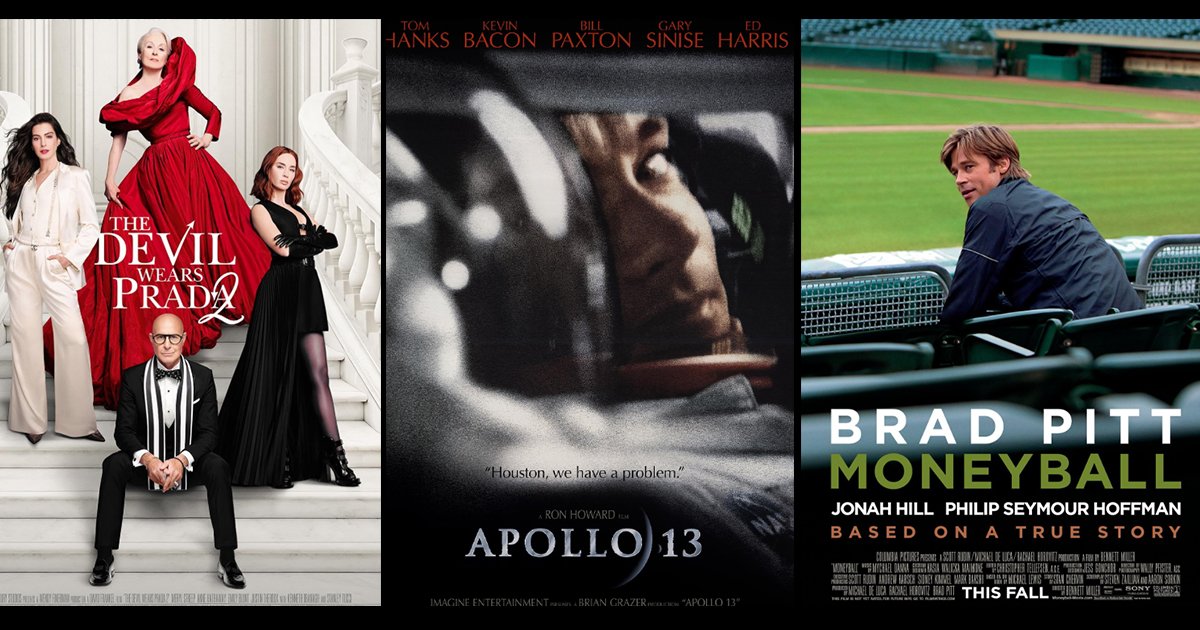
A baseball team that couldn’t afford to compete the conventional way. A demanding editor who shows us both the power and price of uncompromising standards. A space mission where the playbook suddenly isn’t enough.
Moneyball, The Devil Wears Prada, and Apollo 13 couldn’t be more different. But I see three questions that matter at work:
Three questions that matter at work
- Are we measuring the right things?
- What does excellence cost?
- Have we prepared people to think when the plan stops working?

Moneyball: What Are We Really Measuring?
What has always stayed with me about Moneyball is that it was never just about baseball. It was about seeing value where others weren’t looking.
The Oakland A’s were operating with one of the lowest payrolls in baseball. They couldn’t outspend the bigger teams, so Billy Beane looked for another advantage. In the film, he and Peter Brand challenge conventional scouting wisdom and use data differently to identify players whose value others were overlooking.
That changes the question from “What does talent look like?” to “What actually contributes to winning?”
There is a useful parallel for L&D.
We measure completions, assessment scores, training hours, and satisfaction. But do they tell us what actually drives performance? Knowledge? Practice? Judgment? Feedback? Confidence? Support at the moment of need?
The Moneyball advantage wasn’t more data. It was knowing which data mattered. So, are we measuring what’s familiar, or what actually changes the game? Because what we choose to measure shapes what we choose to value.

The Devil Wears Prada: What Does Excellence Cost?
The Devil Wears Prada raises a very different question: When do high standards stop producing excellence and start extracting it?
Miranda Priestly is demanding, exacting, and extraordinarily influential. She notices what others miss and expects the people around her to operate at her level. Andy rises to the challenge, becoming sharper, more resourceful, and increasingly capable.
But the better Andy becomes at succeeding in Miranda’s world, the more the job consumes everything outside it. By Paris, the compromises accompanying that success become difficult to ignore.
It makes me consider something every leader should ask: When we raise the bar for our teams, what does it take for them to reach it?
High standards matter. So does challenging people to grow. But if excellence consistently requires fear, impossible expectations, or personal sacrifice, perhaps it’s not the standard we need to question, but the environment around it.
Are we raising the bar, or simply raising the cost of reaching it? Excellence should challenge people to grow, not require them to lose themselves getting there.
Apollo 13: What Happens When the Playbook Runs Out?
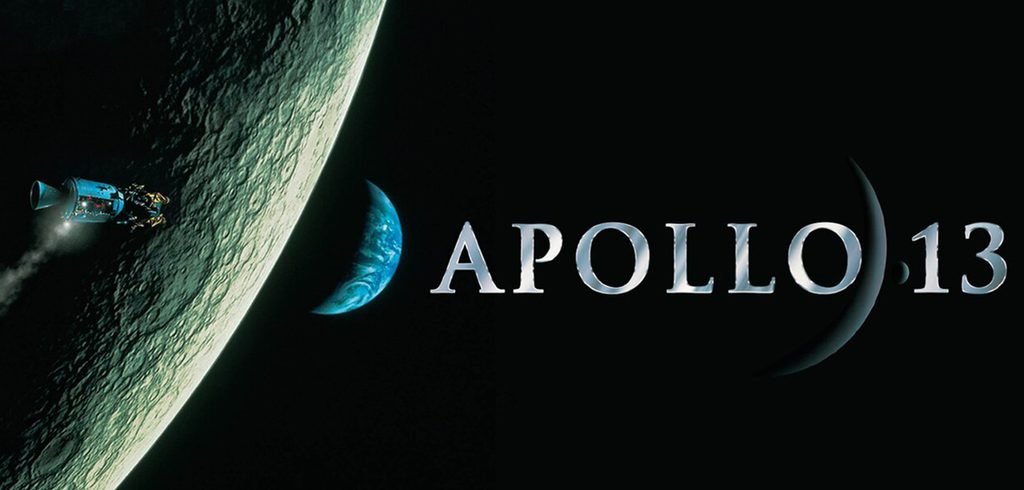
What fascinates me about Apollo 13 is what happens when preparation meets something it could never have fully anticipated. An oxygen tank explodes, the Moon landing is abandoned, and the objective becomes getting the astronauts home safely. At one point, carbon dioxide is building to dangerous levels in the lunar module. The available lithium-hydroxide canisters from the command module don’t fit its system. Engineers on the ground have to devise a solution using only materials available aboard the spacecraft and communicate it to the crew. They couldn’t reach for the perfect tool. They had to think with what they had.
There’s a powerful L&D lesson here.
We prepare people for what is supposed to happen. We teach procedures, systems, processes, and best practices. But capability is tested when reality refuses to follow the course – when information is incomplete, or when circumstances change, or when the usual solution isn’t available.
That’s why great learning cannot stop at “Do you know the procedure?” It also has to prepare people to answer: “What will you do when the procedure is no longer enough?”
Knowing the playbook prepares people for the expected. Knowing how to think prepares them for everything else.
Three Films. One Bigger Question.
Together, these three films make me reconsider what we measure, what we demand, and how we prepare people for the unpredictable.
Different stories. Different stakes. But one larger lesson: performance isn’t simply about knowing more. It’s about measuring what matters, creating the conditions for excellence without making people pay the price for it, and building the judgment to act when the answer isn’t obvious. Perhaps that’s why these stories stay with me.
They don’t just show us what people achieve. They make us think about what makes that achievement possible.